A Small Mistake in the B/L Can Stop an Entire Shipment
A Small Mistake in the B/L Can Stop an Entire Shipment
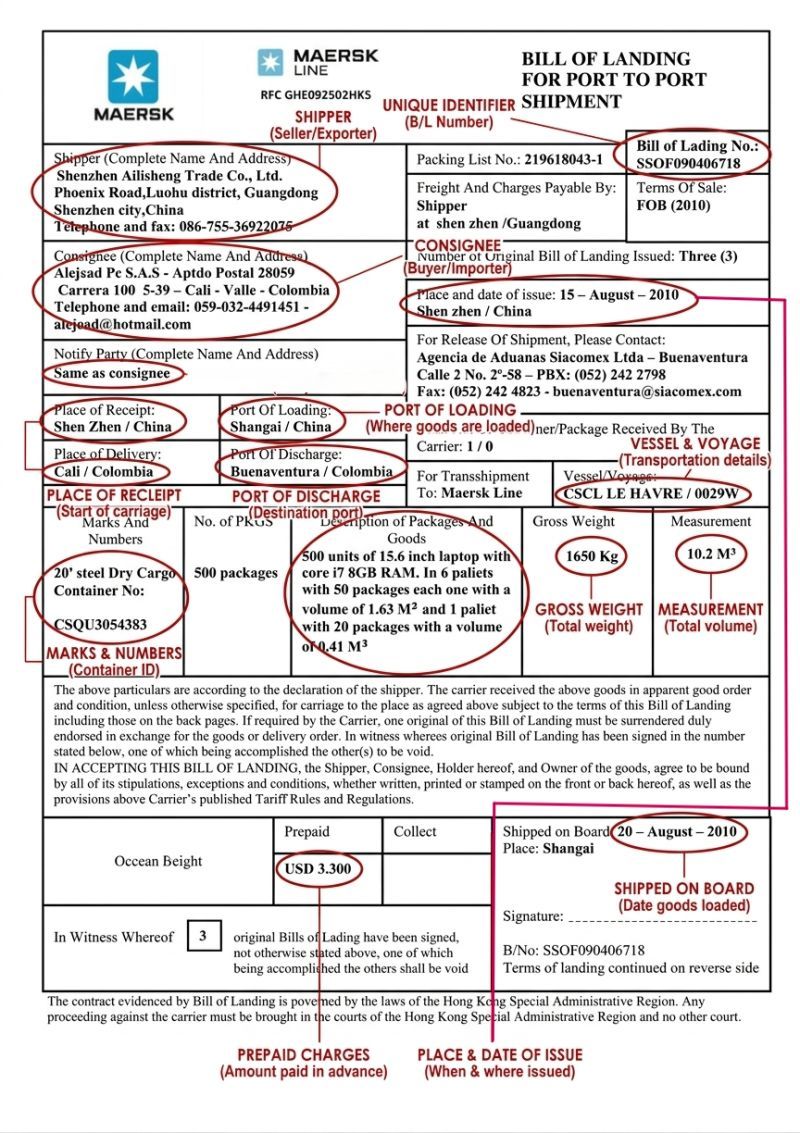
In international logistics, few documents are as critical — and as underestimated — as the Bill of Lading (B/L).
It’s not just paperwork.
It’s the backbone of every ocean shipment.
📄 Why the B/L Matters
The Bill of Lading serves three essential functions:
Receipt of Goods
Issued by the carrier, confirming cargo has been received in good condition — crucial for claims and disputes.
2️⃣ Contract of Carriage
Defines responsibilities, liabilities, and transport terms between all parties.
3️⃣ Document of Title
In many cases, whoever holds the original B/L controls the cargo.
👉 That means accuracy isn’t optional — it’s critical.
⚠️ Where Problems Happen
In real operations, issues rarely come from “big mistakes” —
they come from small details:
Wrong consignee
• Inconsistent cargo description
• Missing instructions
• Misalignment with invoice or packing list
💡 Result?
• Cargo delays at destination
• Additional amendment costs
• Clearance issues
• Even cargo being held
📦 Real Case Insight
Recently, we reviewed a B/L that looked complete — but still had risks:
❌ Missing HS Code (not mandatory, but often required by customs)
❌ Seal number not clearly indicated
❌ Freight terms (Prepaid / Collect) not specified
💡 Key Takeaway
In logistics, issuing a B/L is easy.
Getting it right is what makes the difference.
✔ Always cross-check with invoice & packing list
✔ Confirm consignee and shipment terms
✔ Review before cargo arrival — not after
Because in global trade, precision is what keeps shipments moving.
💬 Have you ever experienced delays due to B/L errors?
📩 If you’d like a quick B/L check before shipment, feel free to reach out — happy to help.