𝐔𝐧𝐝𝐞𝐫𝐬𝐭𝐚𝐧𝐝𝐢𝐧𝐠 𝐂𝐚𝐫𝐠𝐨 𝐒𝐡𝐢𝐩𝐩𝐢𝐧𝐠
𝐔𝐧𝐝𝐞𝐫𝐬𝐭𝐚𝐧𝐝𝐢𝐧𝐠 𝐂𝐚𝐫𝐠𝐨 𝐒𝐡𝐢𝐩𝐩𝐢𝐧𝐠
Cargo shipping refers to the transportation of goods and commodities from one location to another using various modes of transport, primarily by sea, air, rail, or road. It plays a vital role in global trade, enabling businesses to move raw materials, manufactured products, and consumer goods efficiently across international borders. Cargo shipping is often the backbone of the supply chain and logistics industry.
✅ Types of Cargo
Cargo can be broadly categorized into several types, including dry cargo, liquid cargo, refrigerated cargo (perishables), and hazardous materials. Each type requires specific handling and transport conditions. For example, dry cargo includes items like machinery, textiles, and electronics, while liquid cargo includes oil and chemicals. Special containers and packaging are used depending on the cargo type to ensure safety and integrity during transit.
Modes of Cargo Shipping
There are different modes of cargo shipping, each chosen based on the nature of goods, delivery urgency, and cost. Ocean freight is the most common and cost-effective method for international cargo transport, particularly for bulky and heavy goods. Air cargo is used for fast deliveries of high-value or perishable items. Rail and road transport are commonly used for regional or last-mile delivery.
✅ Cargo Shipping Process
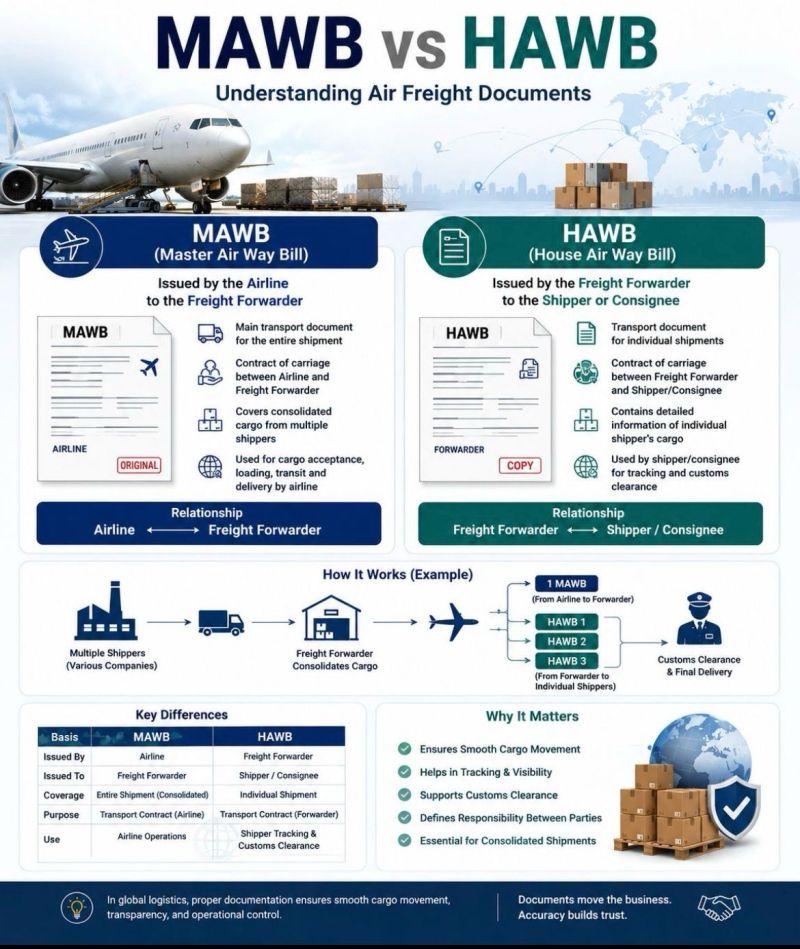
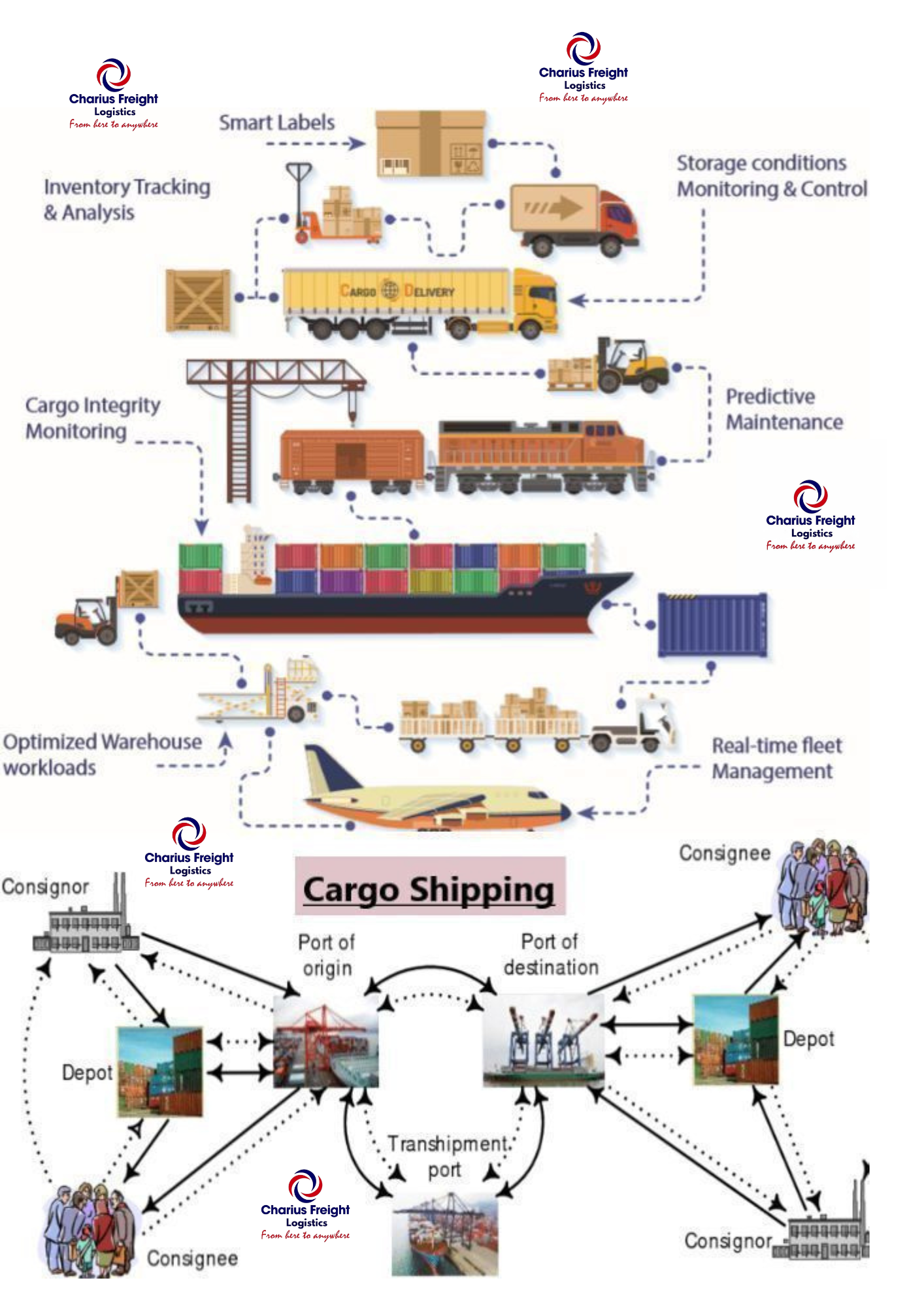
The cargo shipping process typically involves several steps: booking and scheduling, packaging, documentation, customs clearance, loading, transit, unloading, and delivery. Freight forwarders, shipping lines, and logistics providers coordinate these steps to ensure goods are transported securely and arrive on time. Tracking systems and digital platforms are increasingly used to monitor cargo movements in real time.
✅ Importance in Global Trade
Cargo shipping is essential for the functioning of the global economy. It enables the exchange of goods between countries, facilitates international commerce, and supports industries like manufacturing, agriculture, and retail. Ports and shipping lanes are critical infrastructure that connect markets and allow businesses to access global supply chains efficiently.
✅ Challenges and Innovations
Despite its importance, cargo shipping faces several challenges such as port congestion, fuel costs, environmental concerns, and regulatory compliance. In response, the industry is adopting innovations like autonomous ships, blockchain for documentation, and green shipping technologies to reduce emissions. Sustainability and digital transformation are becoming key focus areas for modern cargo shipping operations.