Who is Liable When Goods Are Damaged in Transit?
Who is Liable When Goods Are Damaged in Transit?
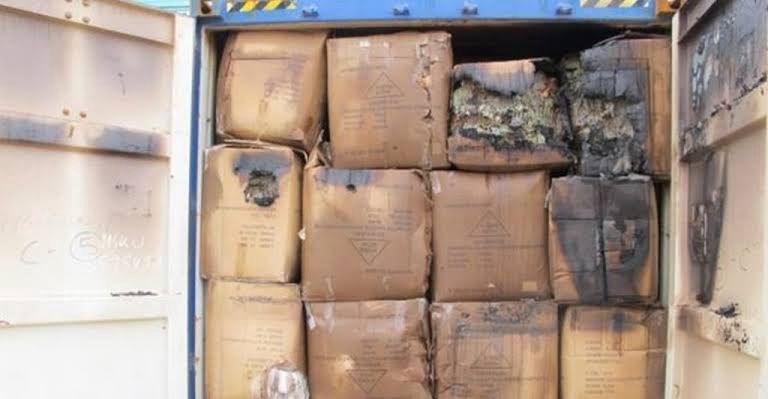
In my previous post, I discussed the importance of a Bill of Lading. But when goods are damaged in transit, the real question is: who is liable?
Under the Carriage of Goods by Sea Act
(which incorporates the Hague Rules), the carrier is primarily responsible. Article III Rules 1 and 2 impose a duty on the carrier to exercise due diligence to make the vessel seaworthy and to properly handle and care for the goods throughout the voyage.
Where damage results from a breach of these duties, liability will typically attach to the carrier. However, liability is not absolute.
Article IV Rule 2 provides several exceptions, including where the damage arises from:
1. Perils of the sea
2. Acts of God
3. Inherent defects in the goods, or
4. Insufficient packaging by the shipper.
In such cases, liability may shift particularly to the shipper, where the issue stems from poor packaging or misdescription of the cargo. The Bill of Lading remains crucial. A clean Bill of Lading serves as prima facie evidence that the goods were shipped in good condition, making it more difficult for the carrier to deny responsibility.
For businesses engaged in international trade, understanding these liability dynamics is essential not only for risk management but also for ensuring that proper protections, including insurance and contractual safeguards, are in place.
In my next post, I’ll be breaking down what a ‘clean’ Bill of Lading really means and why it can make or break a claim.
#MaritimeLaw #AdmiraltyLaw #ShippingLaw #InternationalTrade #Logistics #SupplyChain #LegalInsights #LawyersOnLinkedIn