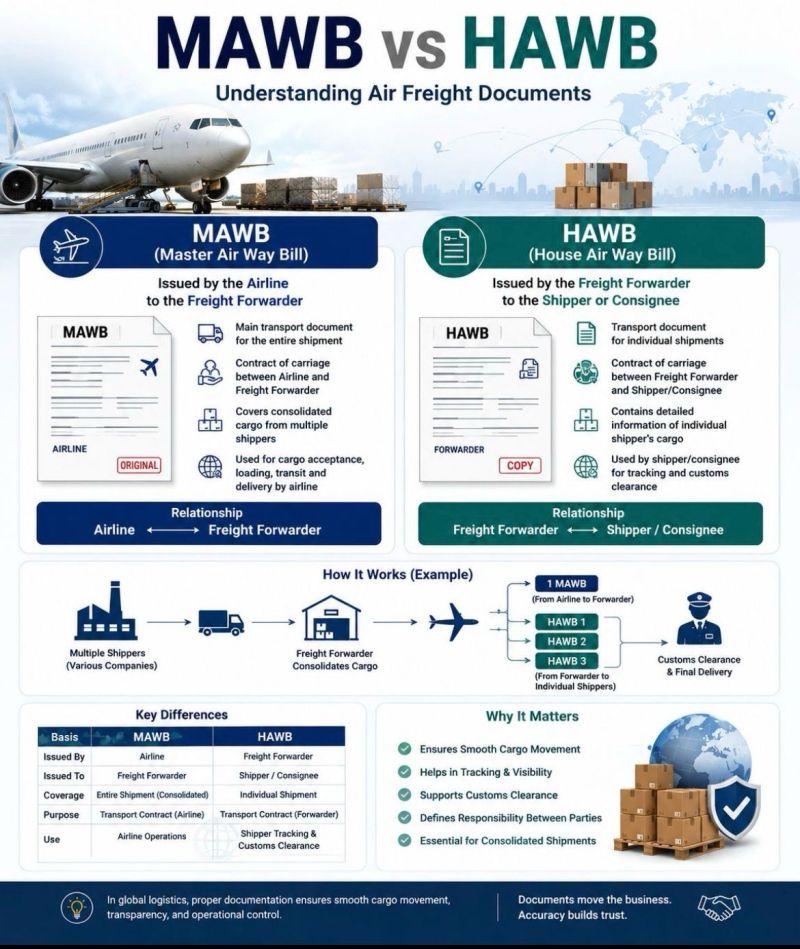
You Use This Document Daily — But Do You Really Understand It?
In export operations, few documents are as routine — and as overlooked — as the Bill of Entry / Export Declaration.
Yet, one small mistake here can lead to:
❌ Customs delays
❌ Fines or rejections
❌ Shipment hold-ups
🚢 What This Document Actually Does
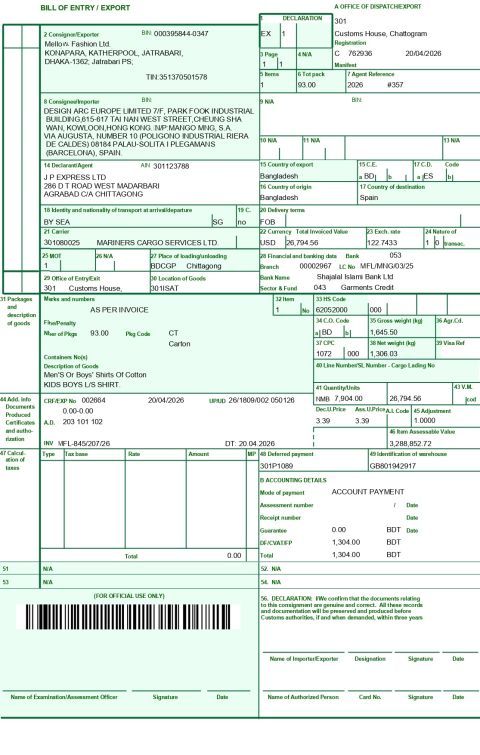
Think of it as the official declaration to customs — covering everything from shipment details to value, origin, and compliance.
👉 It’s not just paperwork.
It’s what allows your cargo to legally move across borders.
🔍 Key Sections You Should Always Check
Instead of memorizing everything, focus on what really matters:
📌 Parties Involved
• Exporter (Consignor)
• Importer (Consignee)
• Customs agent
👉 Any mismatch here = clearance issues
🌍 Country & Routing
Country of origin
• Country of export
• Final destination
👉 Critical for compliance and duty assessment
🚢 Transport Details
• Mode (Air / Sea)
• Carrier information
💰 Value & Terms
• Currency & invoice value
• Incoterms (e.g. FOB)
👉 Impacts duties, taxes, and financial settlement
📦 Cargo Information
• Product description
• HS Code
• Quantity & weight

The most sensitive section for customs review
🏦 Banking & Compliance
• LC details (if applicable)
• Declaration & authorization
⚠️ Where Mistakes Usually Happen
From real operations, the most common issues are:
• Incorrect HS codes
• Mismatch with invoice or packing list
• Incomplete consignee details
• Wrong declared value
Key Takeaway
You don’t need to memorize every box — but you must understand what impacts clearance.
Because in global trade,
👉 documentation accuracy = shipment success
💬 Have you ever faced delays due to customs documentation errors?