Saudia Cargo moves to extend sea-air options
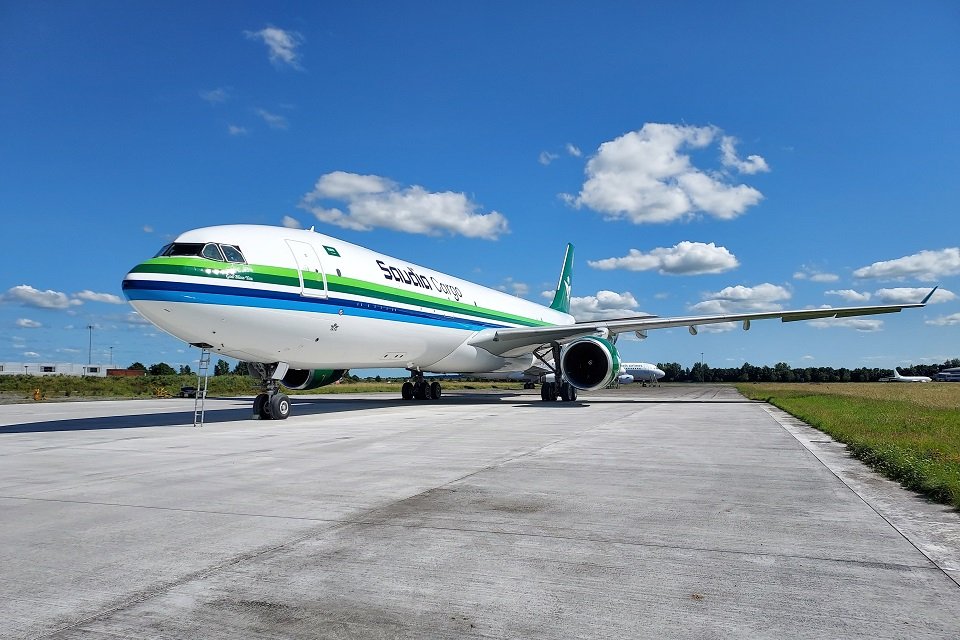
Saudia Cargo has expanded its strategic collaboration with the Saudi Ports Authority (Mawani) and the Zakat, Tax and Customs Authority (ZATCA) to facilitate new sea to air logistics routes designed to keep cargo moving through Saudi Arabia and onward to global markets.
The agreed new initiative is expected to create a sea to air logistics corridor originating on Saudi Arabia’s western coast ports.
The initiative represents, a statement from Saudia Cargo said, “a proactive response to regional developments affecting shipping patterns and international flight schedules, helping safeguard supply chain continuity”.
Saudia Cargo will play a central role in moving maritime shipments that have been transported inland onto and over a rapid air bridge, helping shorten overall cargo transit times.
ZATCA will also play an important role as an enabler and regulator, with cargo moving through maritime and air gateways in an integrated transit framework that allows cargo to move under a single customs declaration.
Pre-clearance capabilities and smart inspection controls will enable containers to move from port berth to airport runway under significantly reduced timeframes.
Balancing cost efficiency with speed of delivery, the sea to air logistics corridor “supports a more integrated national logistics approach in which seaports and airports operate as complementary, connected entry points, enabling cargo to shift smoothly between modes as conditions evolve”, the Saudia Cargo statement said.
Execution
The first routes of the new sea to air corridors have already been activated, with cargo moving inland from Jeddah Islamic Port.
Any further increase in Saudia Cargo freight traffic will build on what was a challenging last year or the Saudi Arabian flag-carrier.
The airline saw its cargo volumes last year decline by 0.8% to 573,000 tonnes across around 4,000 flights.
Last year also saw the carrier announce a series of strategic partnerships that “strengthened Saudia Cargo’s local and international presence”.
These included agreements with the Saudi Tourism Authority and the Al-Ahsa Development Authority to support national development.